Protect Your Lawn from Harmful Diseases
A healthy lawn adds beauty and value to your property, but lawn diseases can quickly compromise its appearance and long-term health. Common issues such as brown patch, dollar spot, and rust are more than cosmetic problems—they weaken grass, thin turf, and make lawns more vulnerable to pests, heat stress, and further damage. At America’s Best Lawncare, we specialize in diagnosing, treating, and preventing lawn diseases common to North Texas conditions.
No two lawns are exactly alike, which is why effective disease control starts with proper identification. Our lawn disease services begin with a professional evaluation of your turf, soil conditions, grass type, and environmental factors to determine the root cause of the issue. Based on our findings, we develop a targeted treatment plan using professional-grade products and proven application methods to stop disease activity and support recovery.
In addition to treating active disease, we focus on long-term prevention. By improving soil health, addressing watering and mowing practices, and reducing stress on your turf, we help strengthen your lawn and lower the risk of future outbreaks—keeping it healthy, resilient, and green throughout the year.
Common Lawn Diseases We Treat
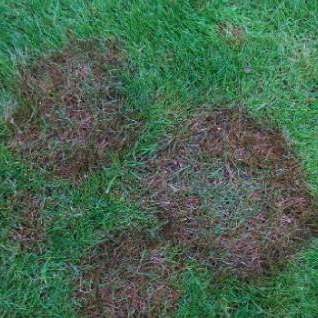
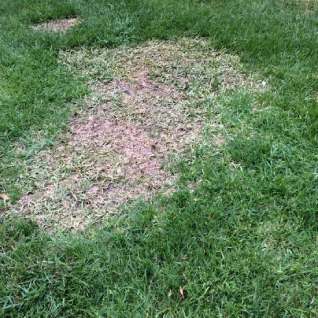
Brown Patch
Caused by a fungal infection, this disease creates unsightly brown areas in your lawn, particularly in hot and humid conditions.
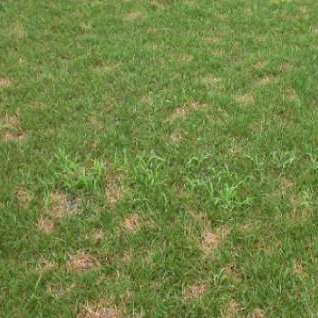
Dollar Spot
Small, silver-dollar-sized spots that spread and merge, leaving your grass weakened and thin.
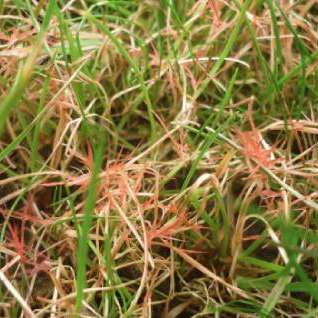
Red Thread
Affects grass blades with red or pink thread-like structures, especially in cooler, damp weather.
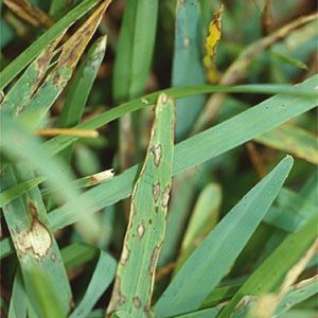
Grey Leaf Spot
Grey Leaf Spot is a fungal disease that causes oval grayish lesions with dark margins on grass leaves, leading to thinning and weakened turf.
Take-All Root Rot
Take-All Root Rot is a soil-borne fungal disease that attacks grass roots, causing yellowing, stunted growth, and eventual dieback of the turf.
Comprehensive Disease Control Treatments for a Healthy Lawn
Lawn diseases can present similar symptoms but require very different treatments. Proper identification is critical to stopping disease activity and preventing further damage. Our lawn disease control services focus on accurate diagnosis, targeted treatment, and long-term turf health—not guesswork.
-
Gray Leaf Spot Disease Treatment
Gray leaf spot commonly affects St. Augustine lawns and appears as small tan or brown lesions that spread quickly under warm, humid conditions. Left untreated, it can cause thinning and widespread damage. Our approach includes identifying contributing stress factors and applying professional-grade fungicide treatments when appropriate to help stop disease progression and support recovery.
-
Dollar Spot Disease Treatment
Dollar spot disease is often associated with moisture imbalance, excessive thatch, and nutrient deficiencies. It commonly affects Bermuda, zoysia, and fescue lawns, causing small brown spots that can expand over time. Treatment may include improving soil conditions, reducing thatch buildup, and applying targeted treatments designed to suppress fungal activity and strengthen turf health.
-
Red Thread Disease Treatment
Red thread disease typically appears as pink or red thread-like growth on grass blades and is often linked to low nitrogen levels and environmental stress. This disease is more common in cool-season grasses. Treatment focuses on correcting nutrient deficiencies and improving overall lawn vigor to help the turf recover and resist future outbreaks.
-
Rust Disease Treatment
Rust disease causes grass blades to develop a yellow or orange, dust-like coating that weakens turf and slows growth. It often occurs when grass is under stress or lacking nutrients. Our treatment approach focuses on restoring lawn health through proper nutrition and management practices that help reduce fungal activity and promote stronger growth.
-
Brown Patch Disease Treatment
Brown patch is a common lawn disease during hot, humid periods and can cause irregular brown patches across turf. It often develops when grass is stressed by excessive moisture or environmental conditions. Treatment may involve strategic fungicide applications, correcting cultural practices, and reducing conditions that allow the disease to spread.

Have Questions?
Call Us Today!

Get Your Free Quote Today!
Discover how we can transform your lawn with expert care.
Click below to get started with a no-obligation quote.
What Our Clients Are Saying
At America's Best Lawncare, we’re passionate about transforming yards and building relationships. But don’t just take our word for it—hear directly from the people who trust us to keep their lawns lush, green, and weed-free.
Why Professional Lawn Disease Diagnosis Matters
Many lawn diseases look alike, but incorrect treatment can make the problem worse or allow it to spread. Applying the wrong product—or treating without identifying the underlying cause—often leads to repeated outbreaks and unnecessary damage.
At America’s Best Lawncare, we focus on accurate diagnosis first. Our licensed technicians evaluate turf conditions, environmental stressors, and disease symptoms before recommending treatment. This ensures the right approach is used at the right time for effective, long-lasting results.
What To Expect From Our Lawn Disease Control Services
-
Professional lawn evaluation and diagnosis
-
Targeted treatments based on lawn conditions
-
Commercial-grade products applied by licensed technicians
-
Guidance on watering, mowing, and lawn care practices
-
Ongoing support to help reduce future disease outbreaks
Common Questions About Lawn Disease Treatment
How do I know if my lawn has a disease?
Brown patches, thinning grass, discoloration, or rapid decline can indicate disease, especially during warm, humid weather.
Can lawn disease go away on its own?
In some cases symptoms may fade, but untreated disease often returns or worsens without proper correction.
How quickly will I see improvement?
Many lawns begin showing improvement within a few weeks, depending on the disease and environmental conditions.